
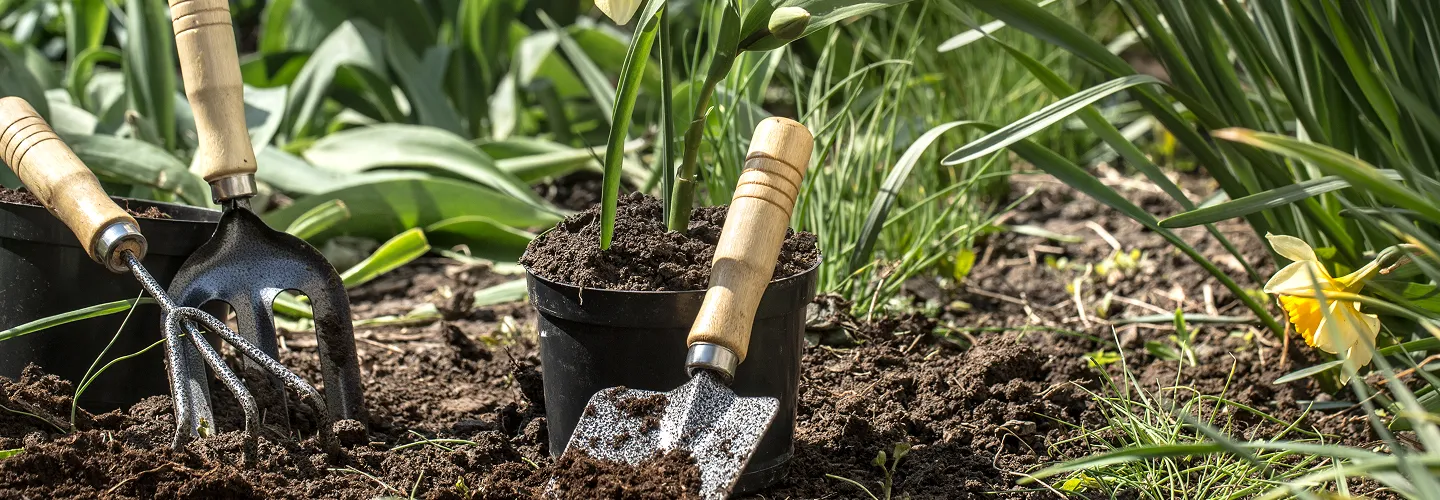
The Woodlands Weed Control Services
Choose our Weed Control services for proven results, expert care, and long-lasting protection—ensuring your lawn stays healthy, beautiful, and free from unwanted weeds all season long.
Get a Free QuoteOur The Woodlands Landscaping & Yard Care Services
When to Schedule Weed Control in The Woodlands, Texas – Seasonal Guide
In The Woodlands, Texas, timing your weed control treatments is crucial for maintaining a healthy, vibrant landscape. The region’s humid subtropical climate, with mild winters and hot, wet summers, means that weeds can thrive nearly year-round if not managed proactively. Optimal weed control typically begins in late winter to early spring, just before the last frost date, and continues through the growing season. Neighborhoods like Alden Bridge and Panther Creek, with their mix of shaded lots and open green spaces, often require tailored approaches based on microclimates and soil conditions.
Local environmental factors such as high humidity, periodic drought risk, and the prevalence of clay-heavy soils can all impact the effectiveness of weed control strategies. Areas near Lake Woodlands or along the George Mitchell Nature Preserve may experience increased weed pressure due to higher moisture levels and dense tree coverage. For more information on local environmental guidelines, visit the official resource.
Local Factors to Consider for Weed Control in The Woodlands
- Tree density and shade coverage, especially in neighborhoods like Grogan’s Mill
- Soil type, with many areas featuring clay or sandy loam
- Seasonal precipitation patterns and risk of drought
- Proximity to water features or greenbelts
- Municipal restrictions or HOA guidelines on herbicide use
- Terrain variations, including sloped lots and drainage patterns
Benefits of Weed Control in The Woodlands

Enhanced Curb Appeal
Healthier Lawns and Gardens
Reduced Maintenance Time
Prevention of Invasive Species
Improved Soil Quality
Increased Property Value

The Woodlands Weed Control Types

Pre-Emergent Weed Control
-
Post-Emergent Weed Control
-
Selective Herbicide Application
-
Non-Selective Herbicide Application
-
Manual Weed Removal
-
Organic Weed Control Solutions
-
Mulching for Weed Suppression
Our Weed Control Process
Site Evaluation
Weed Identification
Treatment Application
Follow-Up Inspection
Why Choose The Woodlands Landscape Services
The Woodlands Homeowners Trust Us
-
Expert Lawn Maintenance
-
Reliable Scheduling
-
Competitive Pricing
-
Professional Team
-
Satisfaction Guarantee
-
Personalized Service
-
Locally Owned and Operated
Managing Weed Control in The Woodlands’s Blackland Prairie and Sandy Coastal Soils
Weed control in The Woodlands, TX, requires careful consideration of the region’s predominant soil types, including Houston Black clay (Vertisols) and sandy coastal soils. These soils present unique challenges: clay soils are prone to compaction and poor drainage, while sandy soils drain rapidly and may require more frequent monitoring for weed emergence. Soil pH in The Woodlands typically ranges from 6.0 to 7.5, influencing herbicide efficacy and plant competition. For optimal results, core aeration to a depth of 2-3 inches is recommended every 2-3 years in clay areas, while sandy soils benefit from organic matter incorporation. Soil testing is available through the Texas A&M AgriLife Extension for a typical fee of $15-25. Residents should consult the USDA Web Soil Survey to identify their property’s soil series and drainage characteristics before selecting weed control strategies.
Seasonal Timing and Weather Considerations for Weed Control in The Woodlands
The Woodlands is located in USDA Hardiness Zone 9a, with a growing season extending from mid-March through late November. Effective weed control hinges on precise timing:
- Pre-emergent herbicides: Apply between February 15 and March 15 (soil temp 55°F)
- Post-emergent treatments: Target April 15 - June 1 and September 1 - October 15
- Avoid applications during peak summer (June-August) due to heat stress and reduced efficacy
Monitor local forecasts through the National Weather Service Houston/Galveston Office to avoid rainfall within 24 hours of application, which can reduce product effectiveness and increase runoff risk. Soil temperature probes are recommended for accurate timing. For additional guidance, consult Texas A&M AgriLife Extension for region-specific weed calendars and best practices.
Municipal Ordinances and Environmental Compliance for Weed Control in The Woodlands
Weed control activities in The Woodlands must comply with local ordinances and environmental regulations. Equipment operation is permitted:
- Monday-Friday: 7:00 AM - 7:00 PM
- Saturday: 8:00 AM - 6:00 PM
- Sunday and holidays: Prohibited
All chemical applications must observe a 25-foot buffer from wetlands and a 50-foot setback from water bodies, in accordance with the Clean Water Act and the Texas Water Code. The Woodlands operates under an MS4 stormwater permit, prohibiting yard waste and chemical runoff into storm drains. Proper disposal of yard debris is managed through weekly curbside collection (Thursdays, April-November), requiring biodegradable bags or 32-gallon bins. For ordinance details and collection schedules:
The Woodlands Environmental Services Department
2801 Technology Forest Blvd, The Woodlands, TX 77381
Phone: (281) 210-3800
Official Website: The Woodlands Environmental Services Department
Professional Standards and Safety Protocols for Weed Control Operations
All weed control operations in The Woodlands must adhere to professional safety and equipment standards. Operators are required to use:
- Eye protection: ANSI Z87.1 safety glasses
- Hearing protection: Earmuffs or plugs for 85+ dB noise
- Footwear: Steel-toed boots with non-slip soles
- Gloves: Chemical-resistant for herbicide application
Commercial-grade sprayers and spreaders must be calibrated for accurate application rates (e.g., 1-2 lbs active ingredient per acre for pre-emergents). Maintain a 15-foot clearance from power lines and public walkways during application. All personnel must be trained in safe handling and spill response procedures. For questions on local safety requirements and equipment standards:
The Woodlands Environmental Services Department
2801 Technology Forest Blvd, The Woodlands, TX 77381
Phone: (281) 210-3800
Official Website: The Woodlands Environmental Services Department
State and Federal Regulations Affecting Weed Control in The Woodlands
Weed control in The Woodlands is governed by both state and federal regulations. The Texas Commission on Environmental Quality (TCEQ) enforces the Texas Water Code and oversees MS4 stormwater permits, requiring that no herbicides or yard waste enter storm drains. Applicators using restricted-use pesticides must hold a valid Texas pesticide applicator license, with annual continuing education requirements. Federal oversight is provided by EPA Region 6, which enforces the Clean Water Act and EPA NPDES Program. For technical support and compliance resources, property owners may consult Texas A&M AgriLife Extension and the USDA Plant Hardiness Zone Map for climate-adapted weed management strategies.
What Neighborhoods Do We Serve Throughout The Woodlands, TX?
- Grogan’s Mill: Features mature tree canopy and Houston Black clay soils, requiring frequent aeration and careful herbicide selection due to compaction and drainage challenges.
- Cochran’s Crossing: Characterized by mixed clay and sandy soils, with many properties adjacent to wetlands and protected greenbelts, necessitating strict buffer compliance and runoff prevention.
- Alden Bridge: Newer developments with sandy loam soils and moderate slopes, where rapid drainage increases the risk of weed seed migration and requires diligent monitoring.
- Sterling Ridge: Includes large lots and conservation areas, with HOA regulations mandating regular weed control and restrictions on chemical use near community parks.
- Indian Springs: Noted for variable soil pH and proximity to Spring Creek, requiring tailored weed management and adherence to water body setback rules.
- Panther Creek: Older neighborhood with compacted soils and dense landscaping, presenting unique challenges for mechanical and chemical weed control.
- Creekside Park: Located near floodplains and sensitive habitats, where seasonal flooding and wildlife corridors demand integrated weed management and compliance with environmental ordinances.